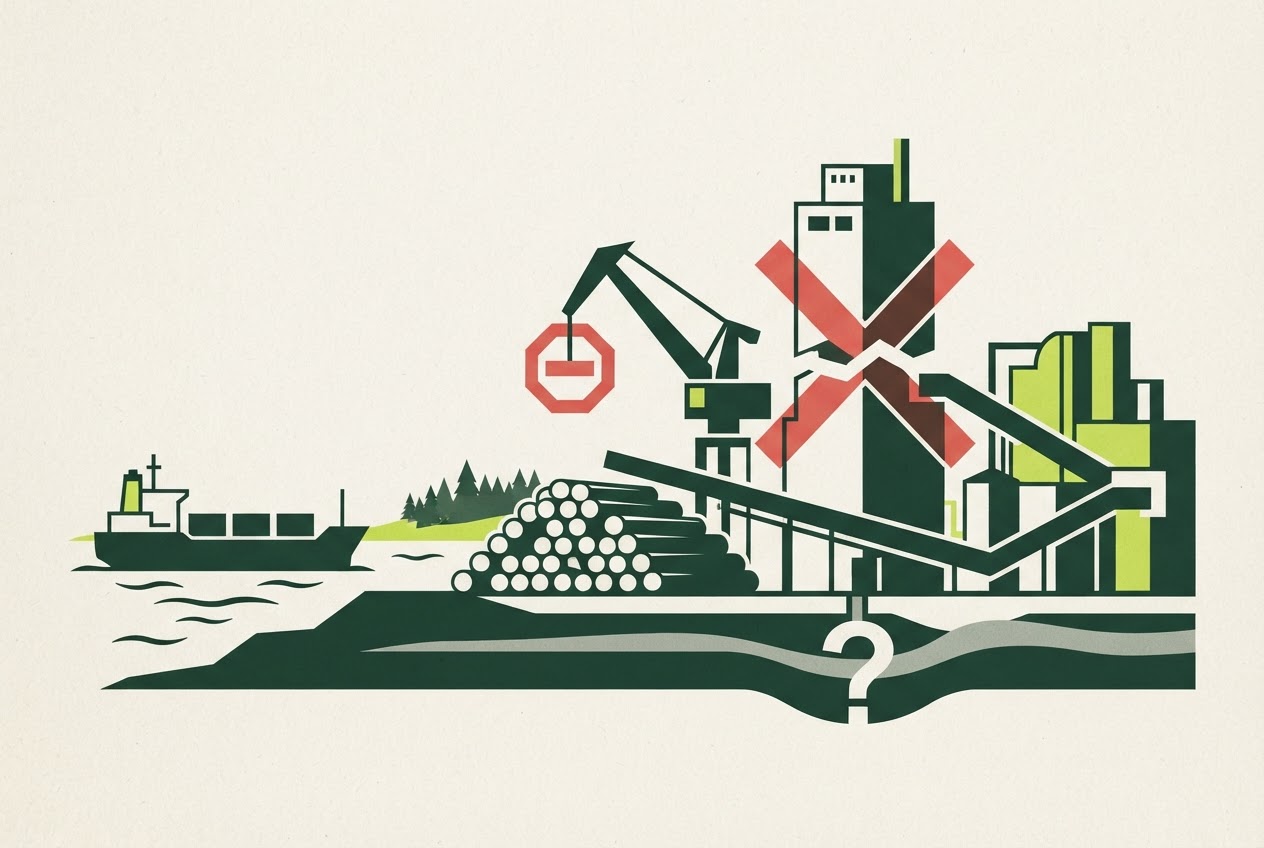
Interferry has warned that another postponement of EU emissions trading for road transport would deepen the competitive disadvantage facing ferry operators already paying maritime carbon costs. In a statement carried by Hellenic Shipping News, the global ferry trade association urged policymakers to align carbon pricing across transport modes and reserve maritime ETS revenues for the sector’s decarbonisation.
Commercial passenger and cargo vessels of at least 5,000 gross tonnes calling at European ports have been covered by the EU Emissions Trading System since 2024. Interferry puts current compliance costs at roughly €250 per tonne of diesel fuel and estimates the annual burden on European ro-pax and ro-ro ferry operators at about €1 billion. It argues that these costs are being imposed in a market where competing road freight services remain outside their dedicated emissions trading framework.
According to the statement, the introduction of ETS2 has already moved from 2027 to 2028, with several member states now seeking a further delay. Interferry links that pressure to the inclusion of road transport and buildings within the same framework. It says political concerns about household winter heating bills, particularly in Eastern and Southern European member states, are consequently protecting road freight from carbon pricing.
The association contends that the uneven cost burden is contributing to traffic moving away from ferry services while limiting operators’ ability to recover compliance expenditure from customers. It says that combination reduces the investment available for faster decarbonisation. Interferry wants all maritime ETS receipts ring-fenced for shipping, including EU-produced sustainable marine fuels, cleaner technologies and shoreside charging infrastructure.
Johan Roos, Interferry’s director of regulatory affairs, called for road transport emissions to be separated from buildings within ETS2 so that household heating concerns do not determine the competitive position of freight operators. Alternatively, the association wants carbon costs applied uniformly across sectors. Its position is that relief for one part of the economy should not undermine competition elsewhere or leave individual transport sectors carrying a disproportionate decarbonisation burden.